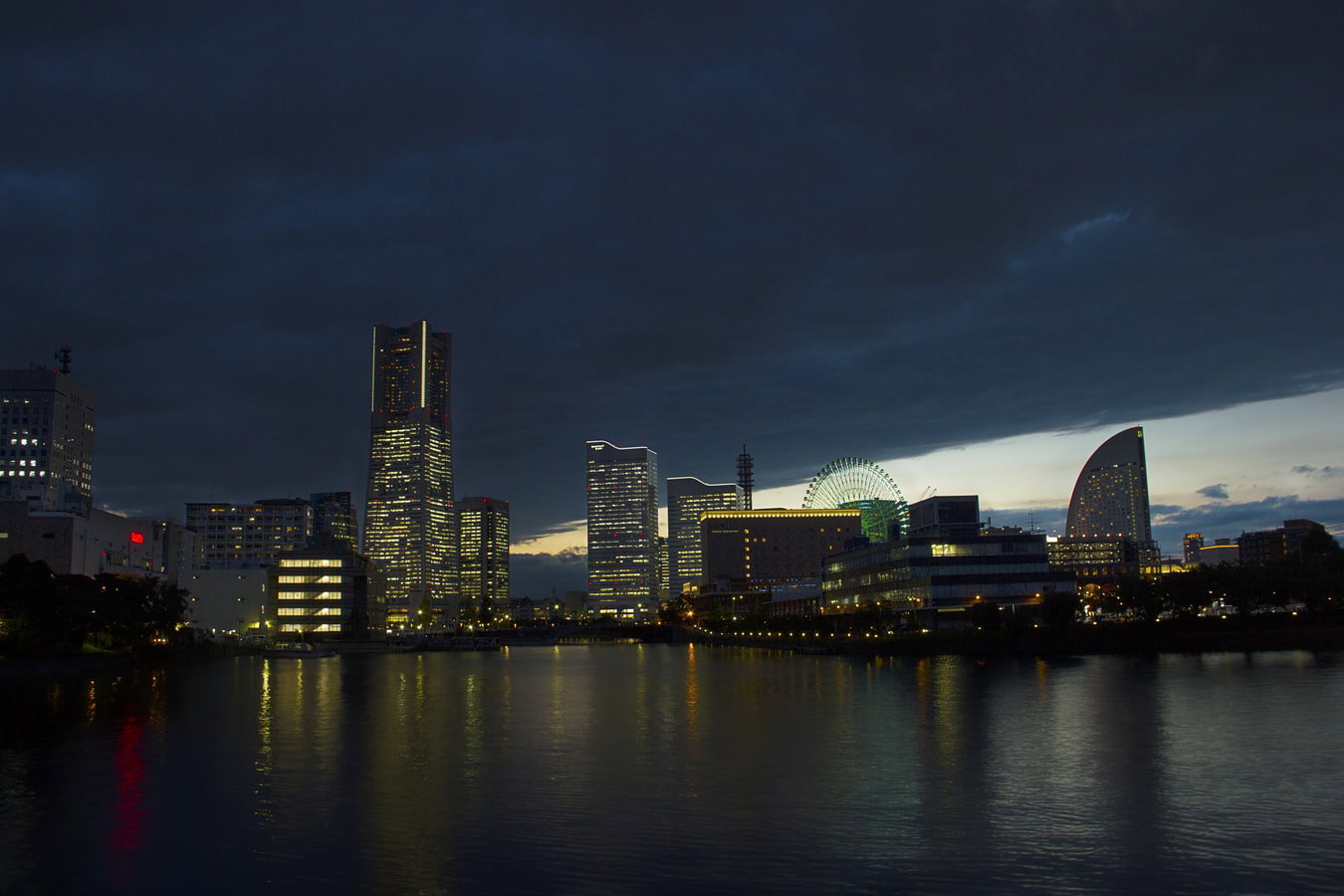
The short answer
What is there to see and do in Yokohama, Japan?
Yokohama, Japan, offers cruisers a deep dive into its significant role in Japan's opening to the world, starting as a treaty port in 1858. Visitors can explore its compact, walkable downtown, including the historic Kannai district, vibrant Chinatown, and the scenic waterfront, easily accessible from the cruise pier.
Quick take for travelers
Yokohama, Japan, is a captivating port city with a rich history, serving as a pivotal gateway to Japan since 1854. Cruisers can explore its walkable central areas, including the historic Kannai district, vibrant Chinatown, and charming Moto-machi shopping street, all easily accessible from the waterfront. The city offers a blend of historical sites and modern urban experiences, making it an engaging stop for those interested in Japan's past and present, from its role in opening to the world to its post-war resurgence.
What to Expect at Yokohama Port: Japan's Historic Gateway
Yokohama's story begins in 1854 when Commodore Matthew Perry first landed, leading to its designation as a treaty port in 1858. This event transformed it from a small fishing village into Japan's primary connection to the outside world. The city played a crucial role in Japan's modernization, including the construction of the nation's first railway to Tokyo in 1872. While large liners are now a memory, luxury vessels still visit, allowing passengers to experience this historically significant urban center. Despite its size, Yokohama's central areas are quite navigable, focusing on the waterfront and the historic Kannai district.
Exploring Yokohama's Walkable Highlights
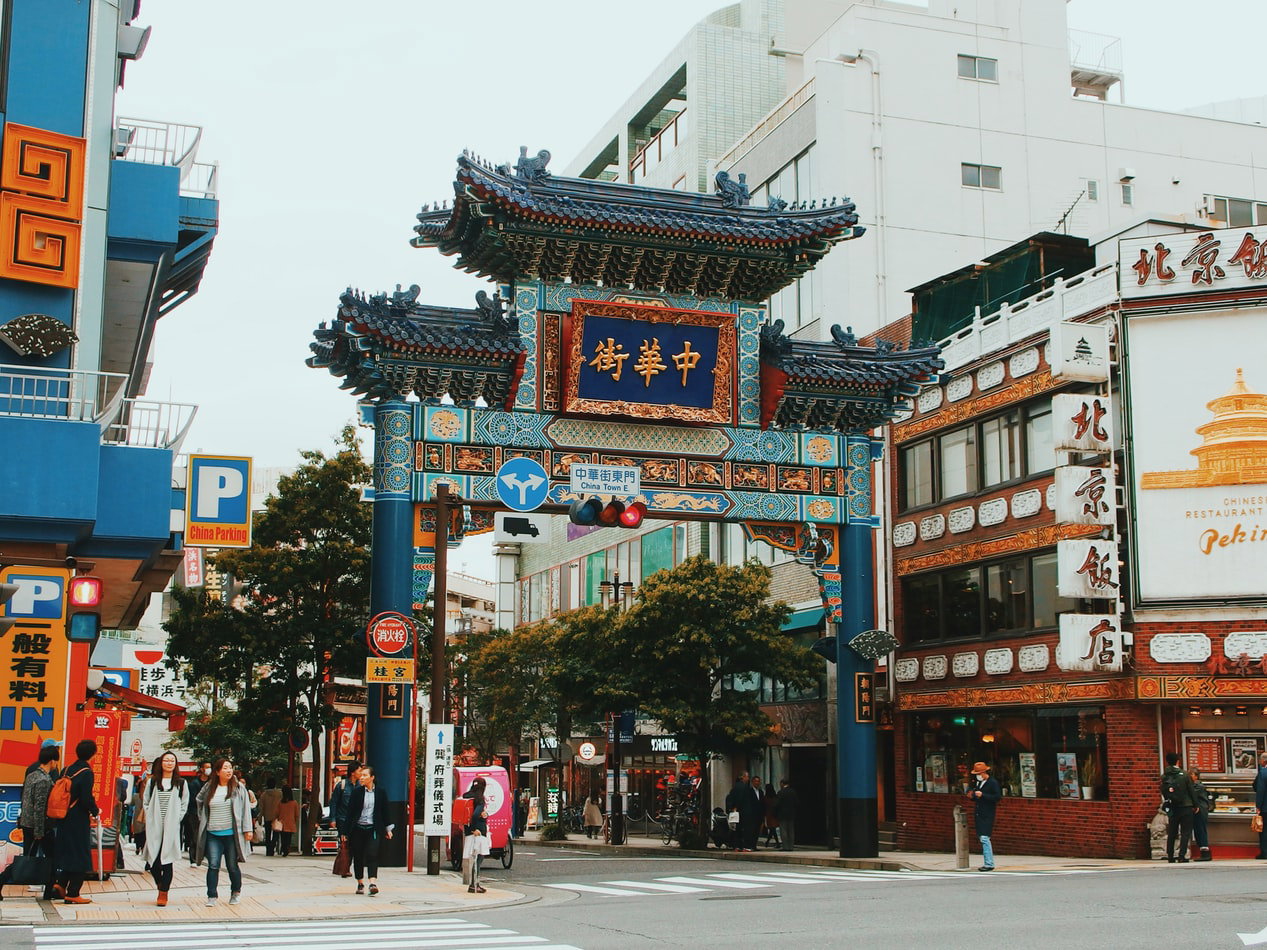
The heart of Yokohama for visitors lies in its central, walkable districts. The downtown area, known as Kannai, was originally where the international community was established. Today, the most engaging part of town for tourists extends southeast from Nippon-odori to the Moto-machi shopping street and the International Cemetery. At its center is the vibrant Chinatown, a popular destination. For easy access, cruisers can make Ishikawa-cho Station their starting point, taking the South Exit and heading directly towards the waterfront to begin their exploration of these diverse neighborhoods.
Who Will Enjoy a Visit to Yokohama?
Yokohama is particularly well-suited for travelers interested in history, urban exploration, and cultural immersion. Those fascinated by Japan's transition from isolation to a global power will appreciate the city's narrative, from its role as a treaty port to its post-war rebuilding. The compact and walkable nature of its key tourist areas makes it ideal for cruisers who enjoy exploring on foot, discovering historic sites, diverse culinary experiences in Chinatown, and unique shopping opportunities in Moto-machi. It appeals to guests who prefer a blend of historical context and modern city life over purely scenic or adventure-focused destinations.
Practical Logistics and Connections
Cruise ships visiting Yokohama typically dock at the city's piers, allowing for direct access to the port facilities. From the port, the central downtown area, Kannai, is readily accessible. Yokohama also serves as a significant transportation hub; its urban sprawl connects north to Tokyo and south to Kamakura. The Shin-Yokohama Station, a new subcenter, provides access to Japan's Shinkansen (bullet train) network, offering opportunities for wider exploration for those with extended time in port or pre/post-cruise stays.
Frequently asked questions
What is the historical significance of Yokohama for cruisers?+
Yokohama became a pivotal treaty port in 1858, opening Japan to international trade and diplomacy. It served as Japan's main gateway to the outside world and played a crucial role in the nation's modernization, including hosting Japan's first railway to Tokyo.
What are the main areas for tourists to explore in Yokohama?+
The central, walkable areas include the historic Kannai district, the vibrant Chinatown, the Moto-machi shopping street, and the International Cemetery. Ishikawa-cho Station is a convenient starting point for exploring these attractions near the waterfront.
Gallery
Human-verified data
Full Cabin's concierge team reviews these guides regularly. We cross-reference operator schedules, recent passenger feedback, and live inventory so the cruises we suggest actually match what you'll experience on board.