The short answer
What makes Split, Croatia, a unique cruise port destination?
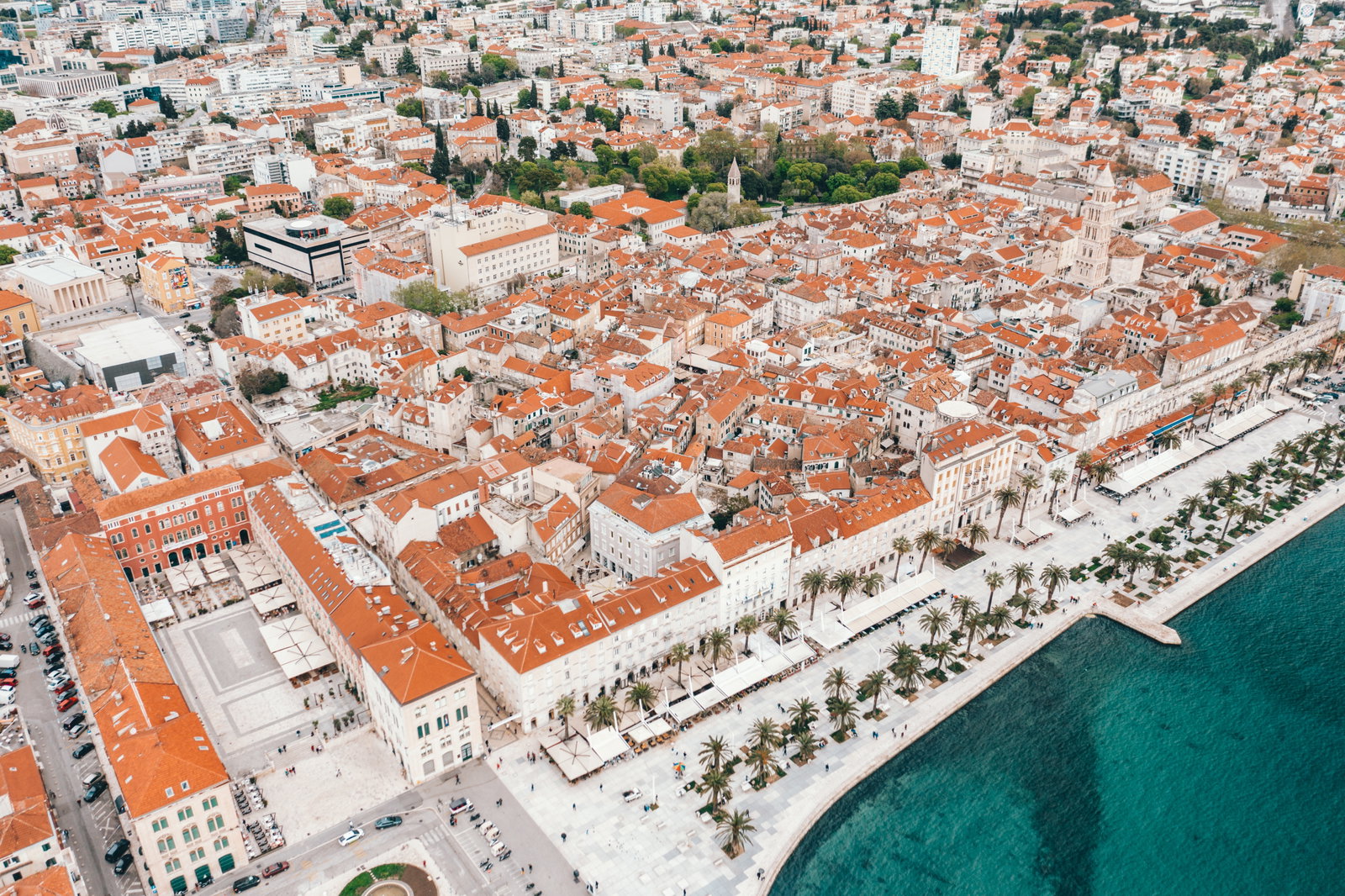
In Split, Croatia, cruisers can explore the UNESCO-listed historic center, which is built within the walls of Roman emperor Diocletian's 3rd-century AD palace. Visitors can wander through the ancient imperial apartments, now transformed into an urban hub, and see the magnificent cathedral, which was built around Diocletian's octagonal mausoleum.
Quick take for travelers
Split, Croatia, offers cruisers a unique journey through time, centered around the remarkably preserved Diocletian's Palace. This ancient Roman emperor's retirement home has evolved into the vibrant heart of the city, where modern life thrives amidst centuries-old architecture. You can wander through its historic walls, explore its transformation into an urban center, and discover the rich layers of history from Roman to Venetian influences, all within a compact and walkable area.
Discovering Diocletian's Palace: Split's Ancient Heart
The essence of a visit to Split, Croatia, lies within the remarkable walls of Roman emperor Diocletian's Palace. Constructed in 295 AD in his native Dalmatia, this vast complex served as Diocletian's retirement residence after a distinguished career as a soldier and emperor. Following his death, he was interred in an octagonal mausoleum, which later became the foundation for Split's magnificent cathedral. The palace's enduring legacy is its transformation: in 615 AD, refugees from the sacked Roman settlement of Salona found sanctuary within its stout walls, dividing the imperial apartments into new living quarters. This organic evolution led the palace to become the urban core of Split, a settlement that expanded beyond its original boundaries by the 11th century. Today, the historic center of Split, including the palace, is recognized as a UNESCO World Heritage Site.
A Walk Through History: Exploring Split's Old Town
Cruisers visiting Split will find that many of the city's highlights are easily accessible and highly walkable, particularly those within Diocletian's Palace. The palace itself is not merely a ruin but a living, breathing part of the city, with shops, cafes, and homes nestled within its ancient structures. You can explore the Peristyle, the central court of the palace, and visit the cathedral, which stands as a testament to centuries of architectural evolution built around Diocletian's original mausoleum. Beyond the palace walls, the city's Venetian rule (1420–1797) left its mark with splendid Renaissance palaces, reflecting Split's past affluence as a key trading port and gateway to the Balkan interior. This blend of Roman, medieval, and Renaissance influences makes for a captivating exploration.
Who Will Enjoy a Visit to Split?
Split is an ideal destination for travelers who appreciate rich history, ancient architecture, and vibrant urban life. History enthusiasts will be particularly drawn to Diocletian's Palace, a rare example of a Roman imperial residence that transitioned into a bustling city center. Those interested in cultural evolution will find the layers of Roman, Venetian, and later influences fascinating. The walkable nature of the historic core makes it suitable for visitors who prefer to explore on foot, immersing themselves in the atmosphere of narrow alleys and ancient squares. While the facts don't specify every demographic, the focus on historical and architectural significance suggests it appeals strongly to those seeking a culturally enriching experience rather than just beach relaxation or adventure sports.
Split and the Wider Dalmatian Coast
Historically, Split held significant importance as one of the Adriatic's main trading ports, especially during Venetian rule, serving as a gateway to the Balkan interior. This rich maritime heritage continues today, with numerous cruise lines, including MSC Cruises, Viking Ocean Cruises, Princess Cruises, and Royal Caribbean, making calls here. While Split offers a deep dive into ancient Roman history, the broader Croatian coast is dotted with other charming ports. Nearby destinations like Omis, Sipan, and Bol offer different coastal experiences. For those looking to explore beyond Croatia, Herceg Novi in Montenegro is also within the region. Each port along the Dalmatian coast provides a unique perspective on the Adriatic's diverse culture and stunning landscapes.
Frequently asked questions
What is the main historical attraction in Split, Croatia?+
The primary historical attraction in Split is Diocletian's Palace, a vast 3rd-century AD Roman imperial residence. The historic center of Split, which largely developed within and around the palace walls, is recognized as a UNESCO World Heritage Site.
Which cruise lines typically visit Split?+
Split is a popular port for many cruise lines. Some of the lines that visit include MSC Cruises, Viking Ocean Cruises, Princess Cruises, Norwegian Cruise Line, Celebrity, Royal Caribbean, and Holland America Line.
Gallery


Human-verified data
Full Cabin's concierge team reviews these guides regularly. We cross-reference operator schedules, recent passenger feedback, and live inventory so the cruises we suggest actually match what you'll experience on board.