The short answer
What makes Ravenna, Italy, famous for its art and history?
Cruisers in Ravenna can explore a city rich in Byzantine history and art, particularly its magnificent mosaics found within churches and tombs. Highlights include monuments from its past as a 5th-century papal court, Gothic rule, and Byzantine conquest. The nearby town of Classe also offers additional mosaic gems to discover.
Quick take for travelers
Ravenna offers a tranquil journey into Italy's rich past, renowned for its spectacular Byzantine mosaics. As a small, quiet city with cobblestone streets and historic monuments, it provides a well-heeled atmosphere for exploring ancient art and architecture. Cruisers can immerse themselves in centuries of history, from its time as a 5th-century papal court to its Byzantine and Venetian influences, all reflected in its stunning artistic treasures.
Exploring Ravenna's Byzantine Treasures
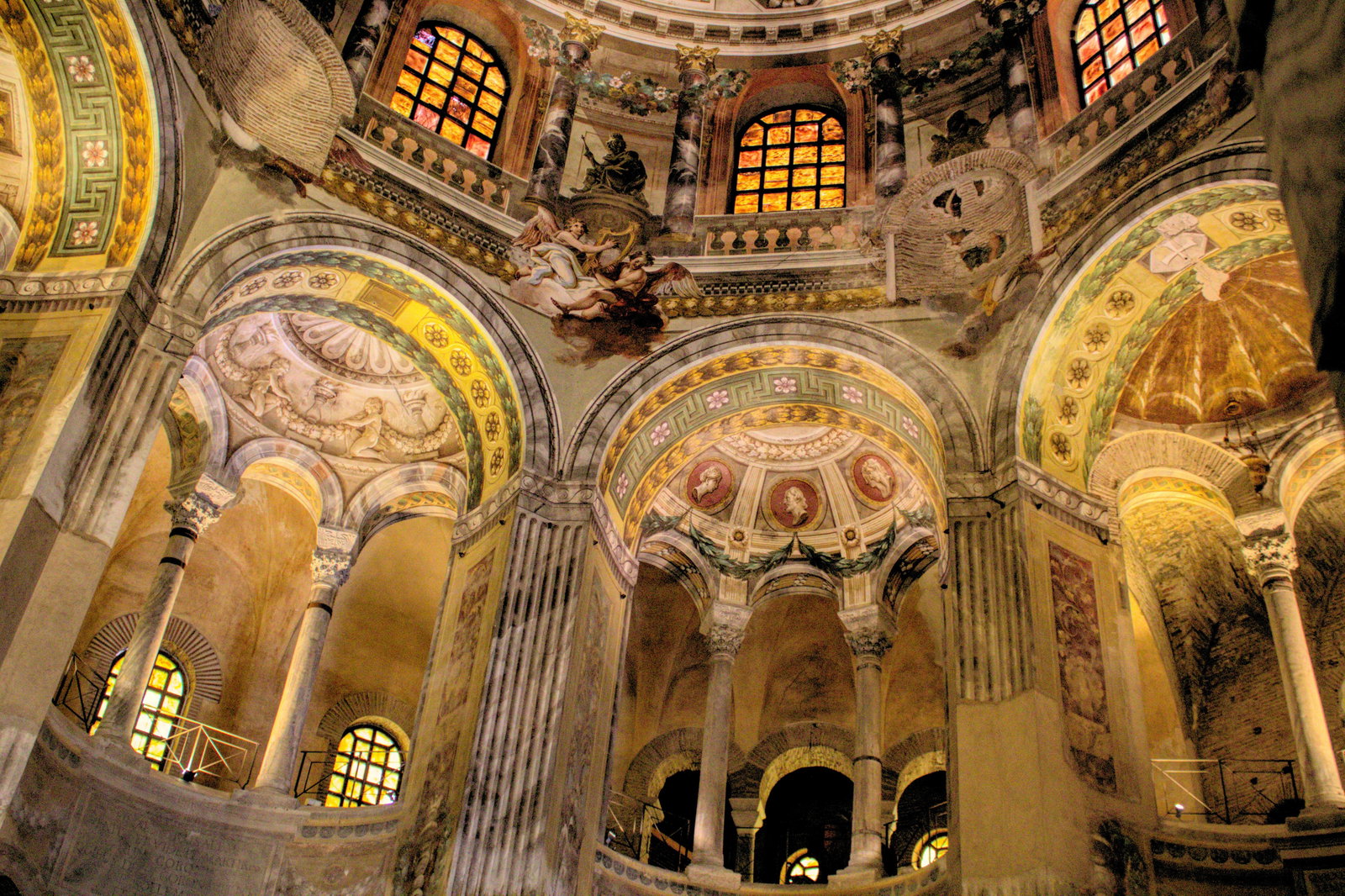
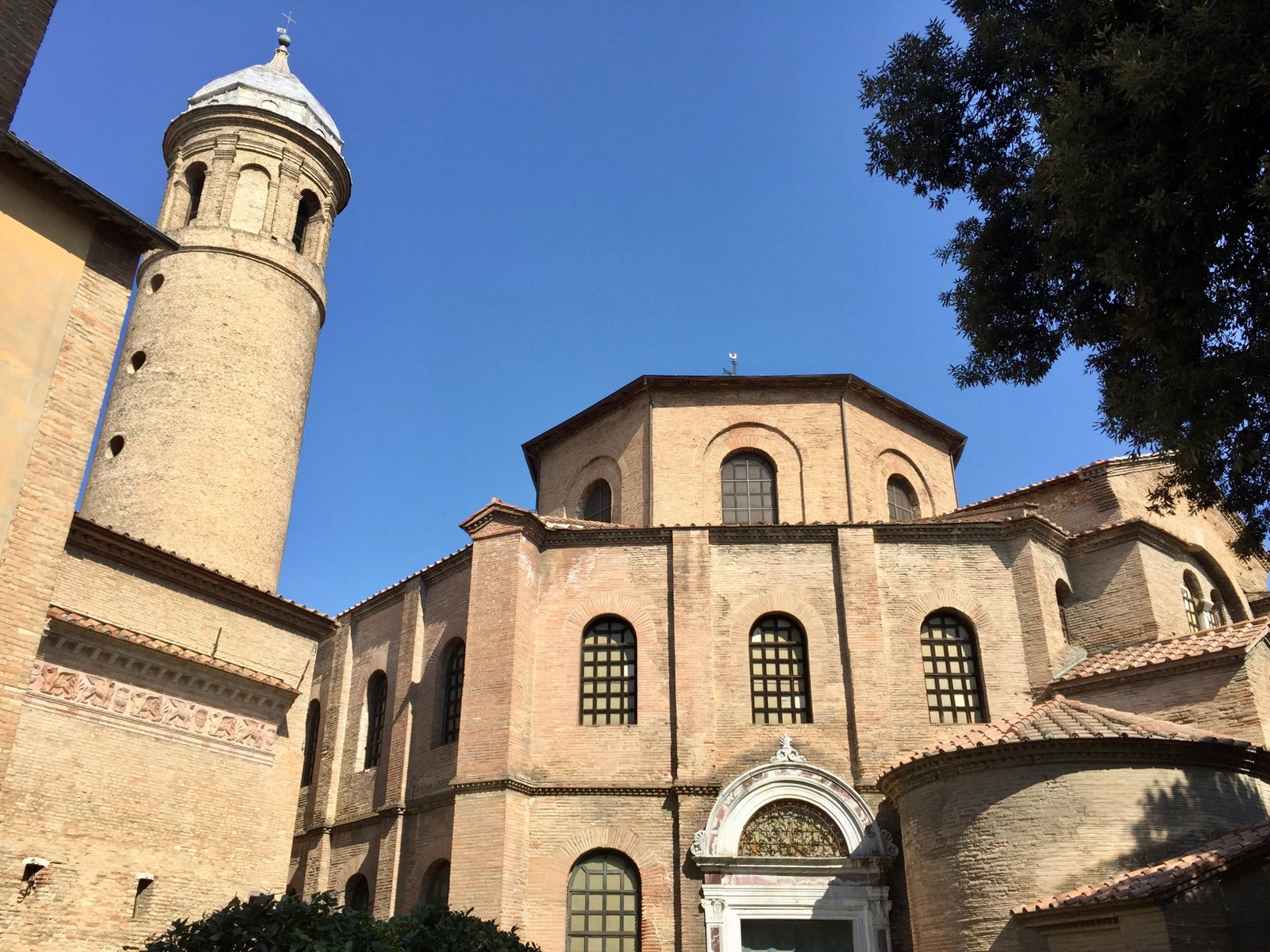
Ravenna is a city where history comes alive through art, particularly its world-renowned Byzantine mosaics. Cruisers often focus on visiting the churches and tombs that house these spectacular works, many of which have unassuming exteriors that belie the sumptuous art within. These beautifully preserved mosaics, dating back to the city's period under Byzantine influence after AD 540, put great emphasis on nature with delicate renderings of sky, earth, and animals. The city's past as a 5th-century papal court and its subsequent rule by Gothic kings Odoacer and Theodoric, before falling to the Byzantines, Venice, and the Papal States, all contribute to its unique historical tapestry. Beyond the city center, the town of Classe offers even more mosaic gems for those wishing to explore further.
The Ravenna Experience: A Journey Through Time
Ravenna provides a distinct experience for travelers seeking a quieter, more reflective exploration of Italian history and art. The city itself is described as small, quiet, and well-heeled, characterized by brick palaces and cobblestone streets. Its historical significance as a major center in the 5th century, when Pope Honorius moved his court here from Rome, set the stage for its rich cultural development. The Byzantine influence is particularly strong, evident in its greatest art treasures. This focus on Eastern influences makes Ravenna's artistic heritage unique compared to many other Italian cities, offering a deep dive into a specific, pivotal period of European history.
Who Ravenna Suits Best
Ravenna is an ideal port for those who appreciate deep historical immersion, art history, and a more tranquil pace of exploration. Its appeal lies in its magnificent Byzantine mosaics and the quiet charm of a city that has preserved much of its past. Travelers interested in the transition from the Roman Empire to the early medieval period, particularly the influences of the Eastern Roman Empire, will find Ravenna profoundly rewarding. It's less about bustling markets or modern attractions and more about contemplative visits to ancient churches and monuments. The city's small, quiet, and well-heeled character makes it suitable for those who prefer to wander cobblestone streets and discover history at their own leisure.
Practicalities for Your Visit
While the specific docking procedures are not detailed in the available information, Ravenna serves as an official port, welcoming various cruise lines including Norwegian Cruise Line, Royal Caribbean, Celebrity, Explora Journeys, Silversea, Princess Cruises, and Regent Seven Seas Cruises. These lines offer itineraries typically ranging from 7 to 42 nights, indicating its role in diverse cruise experiences. Given Ravenna's compact nature, many of its historical sites, particularly the mosaic-filled churches and tombs, are often accessible within a reasonable distance from the city center, making it suitable for exploration on foot or with short local transfers.
Ravenna Compared to Nearby Ports
Ravenna offers a distinct historical focus, primarily on Byzantine art and its role as a significant early medieval capital, setting it apart from some other Italian and Adriatic ports. While nearby Italian ports like Civitavecchia (a gateway to Rome) and Piombino (often for Tuscany) offer different historical periods and regional flavors, Ravenna's unique Eastern-influenced art is its hallmark. Across the Adriatic, Croatian ports like Rovinj and Mali Losinj, or Slovenian destinations such as Ljubljana, Vogel, and Kranjska Gora, provide diverse cultural experiences and natural landscapes. Ravenna's quiet, art-centric atmosphere provides a strong contrast to these other destinations, making it a unique stop for those specifically interested in its specific historical and artistic niche.
Frequently asked questions
What historical periods are most prominent in Ravenna?+
Ravenna's history is notably prominent in the 5th century when it served as Pope Honorius's court, followed by rule under Gothic kings and later the Byzantines in AD 540. Its art treasures strongly reflect this Byzantine influence.
What kind of art can I expect to see in Ravenna?+
Ravenna is famous for its spectacular Byzantine mosaics. These mosaics, found in churches and tombs, emphasize nature with delicate renderings of sky, earth, and animals, showcasing a strong Eastern artistic influence.
Is Ravenna a large or quiet city for visitors?+
Ravenna is described as a small, quiet, and well-heeled city. It features brick palaces and cobblestone streets, offering a tranquil atmosphere for exploring its magnificent monuments and mosaics.
Gallery
Human-verified data
Full Cabin's concierge team reviews these guides regularly. We cross-reference operator schedules, recent passenger feedback, and live inventory so the cruises we suggest actually match what you'll experience on board.