The short answer
What are the must-see historic sites in Palma de Mallorca?
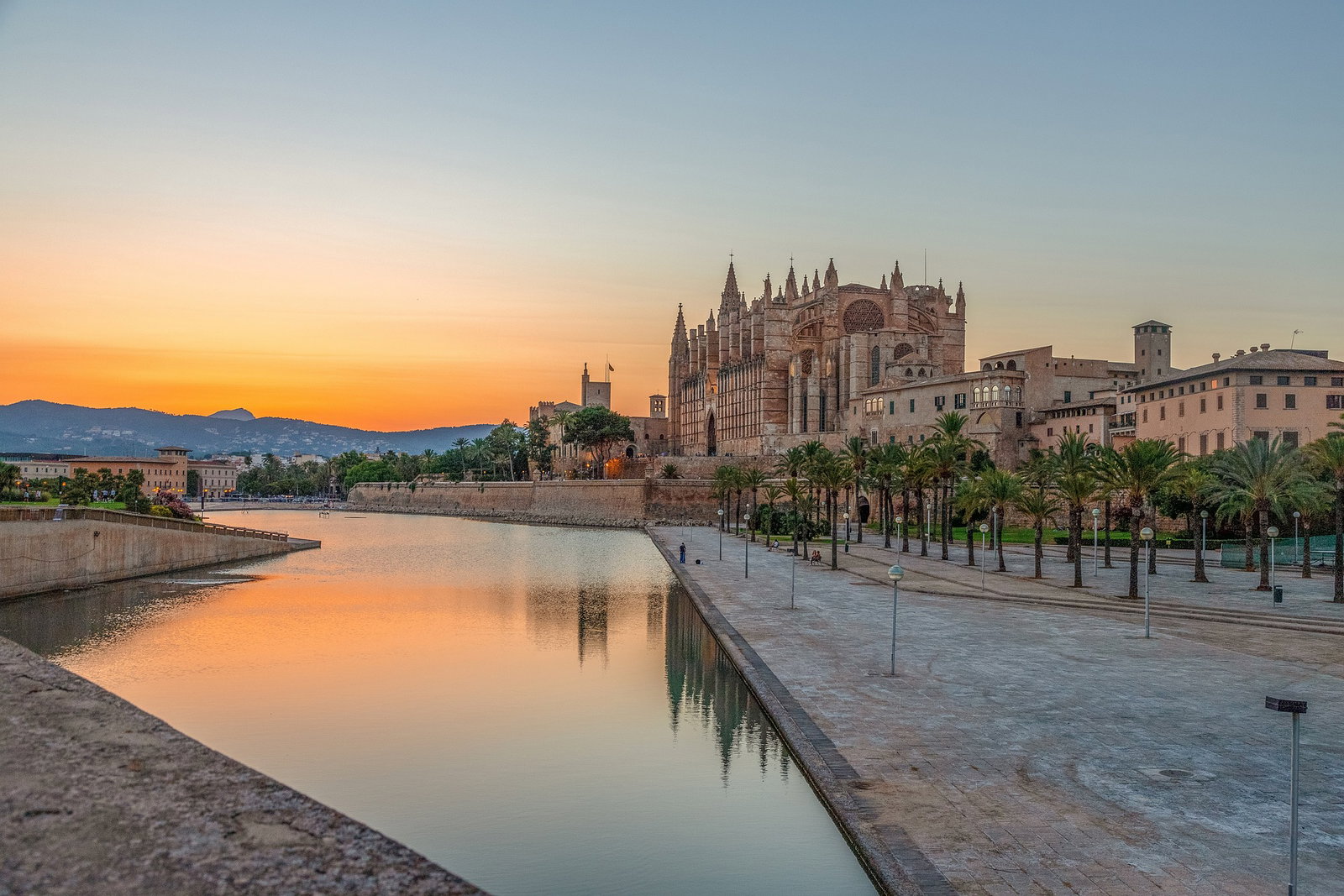
In Palma de Mallorca, cruise visitors can explore the historic city center on foot, taking in landmarks such as the iconic La Seu cathedral, the Almudaina Palace, and the Llotja, a fine Gothic civic building. Stroll along the Parc de la Mar, trace ancient city walls at Ses Voltes, and experience the traditional evening promenade on Passeig d'es Born.
Quick take for travelers
Palma de Mallorca offers cruise visitors a rich blend of history and culture, centered around its magnificent Gothic cathedral, La Seu. You can explore a labyrinth of ancient streets, discover architectural marvels like the Almudaina Palace and the Llotja, and enjoy leisurely promenades along avenues that trace the city's historical development. It's an ideal destination for those who appreciate walking through centuries of Spanish and Moorish heritage.
Discovering Palma's Historic Heart
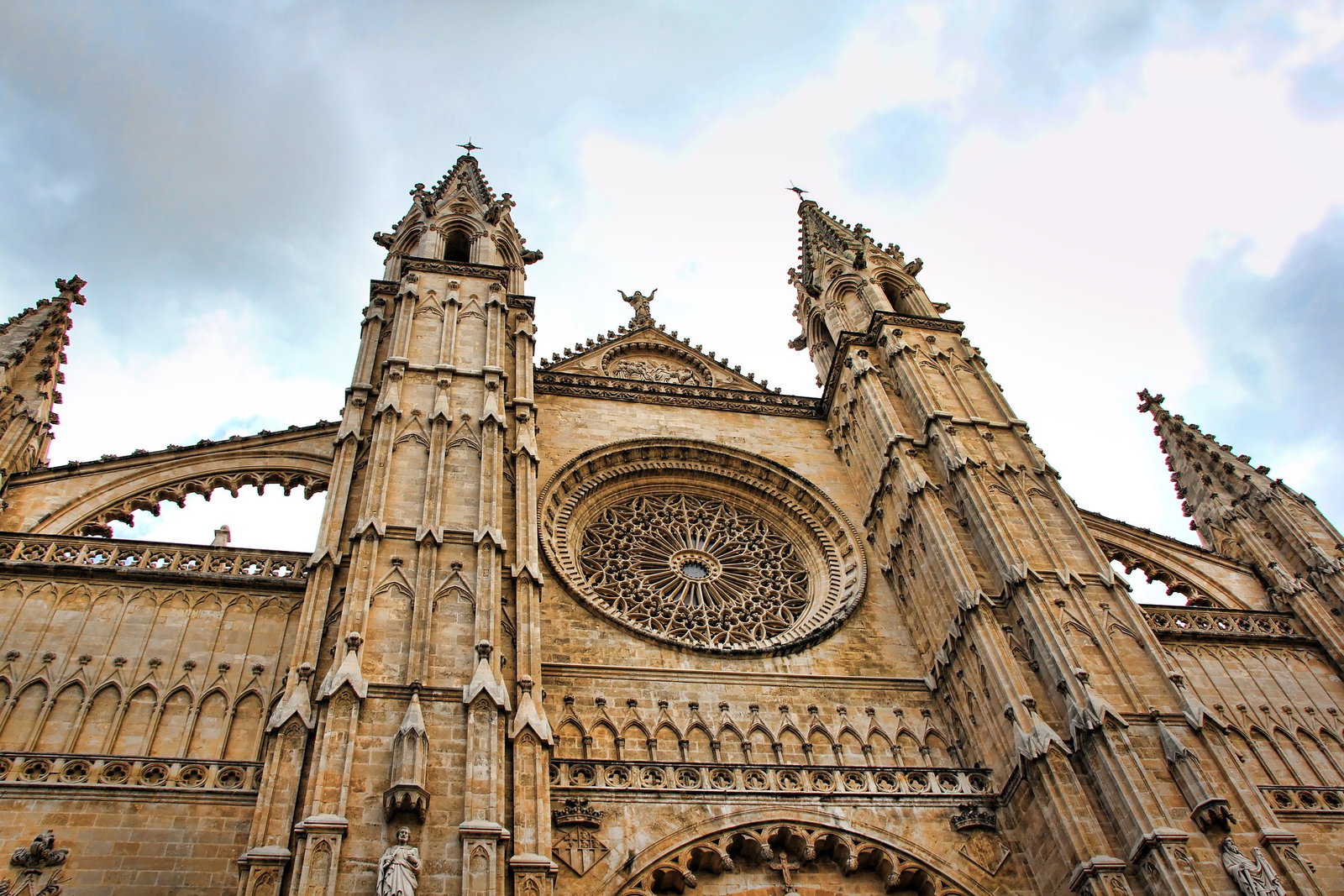
A visit to Palma de Mallorca offers an immersive journey through history, with its core attractions easily accessible for cruise guests. The magnificent La Seu cathedral, a golden and massive structure, dominates the skyline and is a primary focal point. Adjacent to it, you'll find the impressive Almudaina Palace. Cruisers can begin their exploration from the Parc de la Mar, strolling along this green space with the cathedral and palace rising beyond. A ceramic mural by Joan Miró also greets visitors facing the cathedral from the park. For a spectacular start, a walk along the ramparts at Ses Voltes offers stunning views, especially as the morning sun illuminates La Seu's sandstone walls.
A Walk Through Time: Palma's Urban Evolution
Palma's city plan reveals layers of history, from its earliest settlement around Plaça Santa Eulàlia to the wider boulevards that trace 12th-century Moorish fortifications. Though most of the original city walls were demolished by the late 19th century, sections like Ses Voltes along the seafront still showcase these massive defenses. Historically, a torrent ran through the old city, later diverted to the east. Today, two of Palma's main arteries, La Rambla and the Passeig d'es Born, follow this natural course, with the Born being a popular spot for the traditional evening paseo. Don't miss the Plaça de la Llotja, home to the Mediterranean's finest Gothic-style civic building.
Ideal Visitors for a Palma Port Call
Palma de Mallorca is particularly well-suited for travelers who appreciate history, architecture, and cultural exploration on foot. Those who enjoy leisurely strolls through ancient city centers, discovering Gothic masterpieces, and experiencing local traditions like the evening promenade will find this port captivating. The city's rich past, evident in its Moorish and medieval influences, offers a deep dive into Mediterranean heritage. Art enthusiasts will also appreciate sites like the Museu d'Es Baluard and the Miró mural. It's a destination for those who prefer an enriching cultural experience over purely beach-focused activities.
Navigating Palma: Key Logistics for Cruisers
Once disembarked, accessing Palma's main attractions is straightforward. Many key sights are concentrated within a walkable area, making independent exploration convenient. From the Parc de la Mar, visitors can easily stroll to the Almudaina Palace and the cathedral. The route continues past the Plaça de la Reina, leading into the historic streets and squares like Plaça de la Llotja and Plaça Drassana, eventually reaching the Museu d'Es Baluard. Retracing steps to Avinguda Antoni Maura and walking up Passeig d'es Born to Plaça Joan Carles I provides a comprehensive tour of the central area.
Cruise Lines Calling at Palma
Palma de Mallorca is a popular port of call for a wide array of cruise lines, reflecting its appeal as a vibrant Mediterranean destination. Major operators such as MSC Cruises, Viking Ocean Cruises, Princess Cruises, Royal Caribbean, and Norwegian Cruise Line frequently include Palma in their itineraries. Luxury lines like Regent Seven Seas Cruises, Silversea, Explora Journeys, Celebrity, Holland America Line, and Ritz-Carlton also visit, offering diverse options for travelers looking to experience this historic city. Ships like MSC World Europa, Sun Princess, and Viking Jupiter are among those that call here.
Frequently asked questions
What are the main attractions in Palma de Mallorca?+
Key attractions include the golden La Seu cathedral, the Almudaina Palace, the historic Llotja building, and the Museu d'Es Baluard. You can also enjoy walking along the ancient ramparts at Ses Voltes and exploring the traditional Passeig d'es Born.
Is Palma de Mallorca easy to explore on foot?+
Yes, Palma's historic core is very walkable. Many significant landmarks like the cathedral, Almudaina Palace, and Parc de la Mar are close together. Visitors can follow a clear route from the Parc de la Mar to experience the city's main sights.
What kind of historical experience does Palma de Mallorca offer?+
Palma offers a deep historical experience, showcasing its evolution from an early settlement with tiny streets to a city defended by Moorish fortifications. You can trace ancient city walls, see how a diverted streambed became main avenues, and explore Gothic architecture.
Gallery
Human-verified data
Full Cabin's concierge team reviews these guides regularly. We cross-reference operator schedules, recent passenger feedback, and live inventory so the cruises we suggest actually match what you'll experience on board.