The short answer
What makes Geirangerfjord Norway's most spectacular fjord?
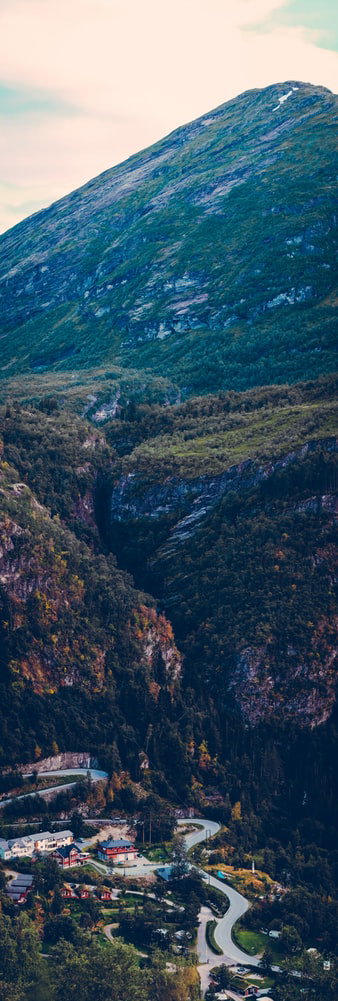
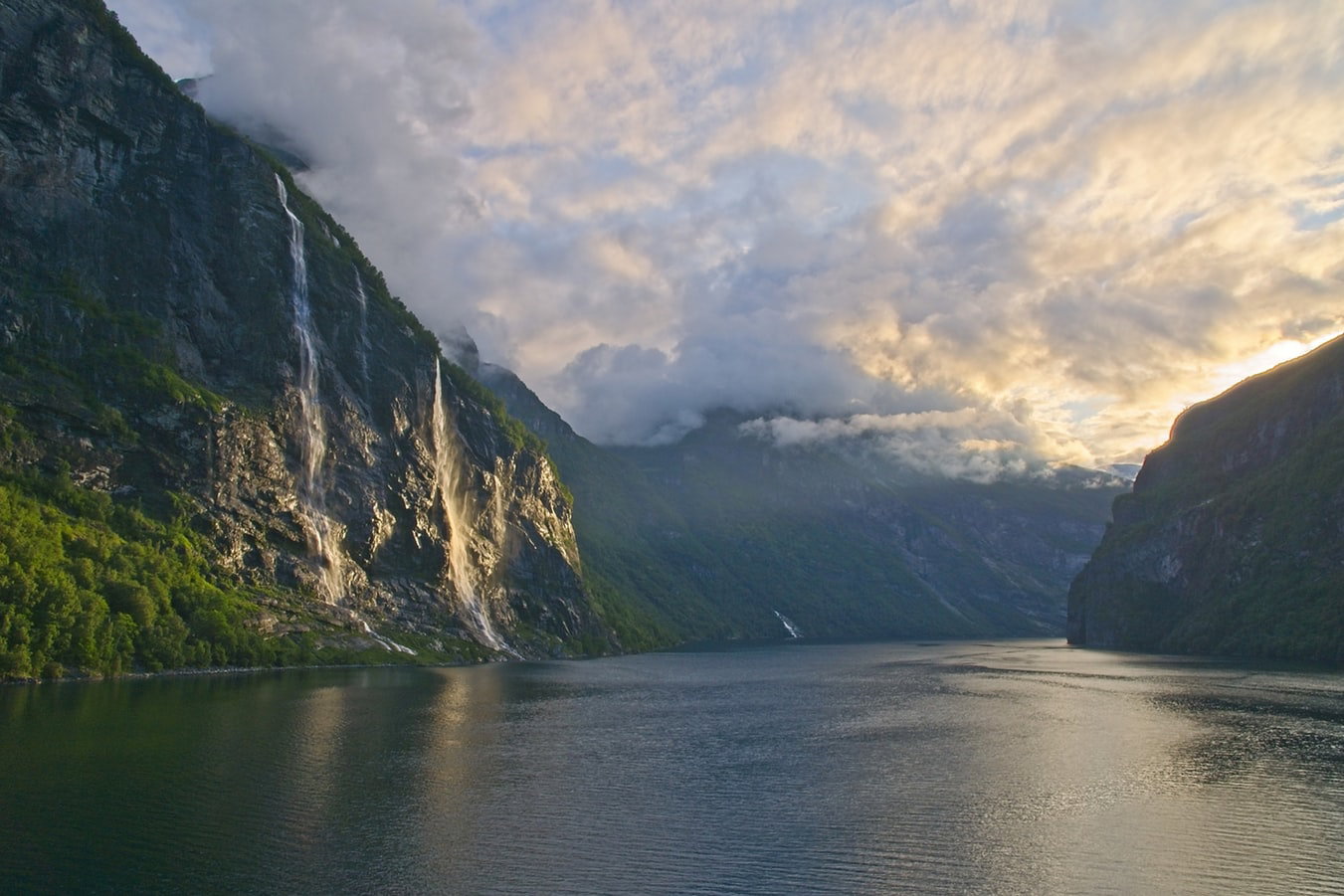
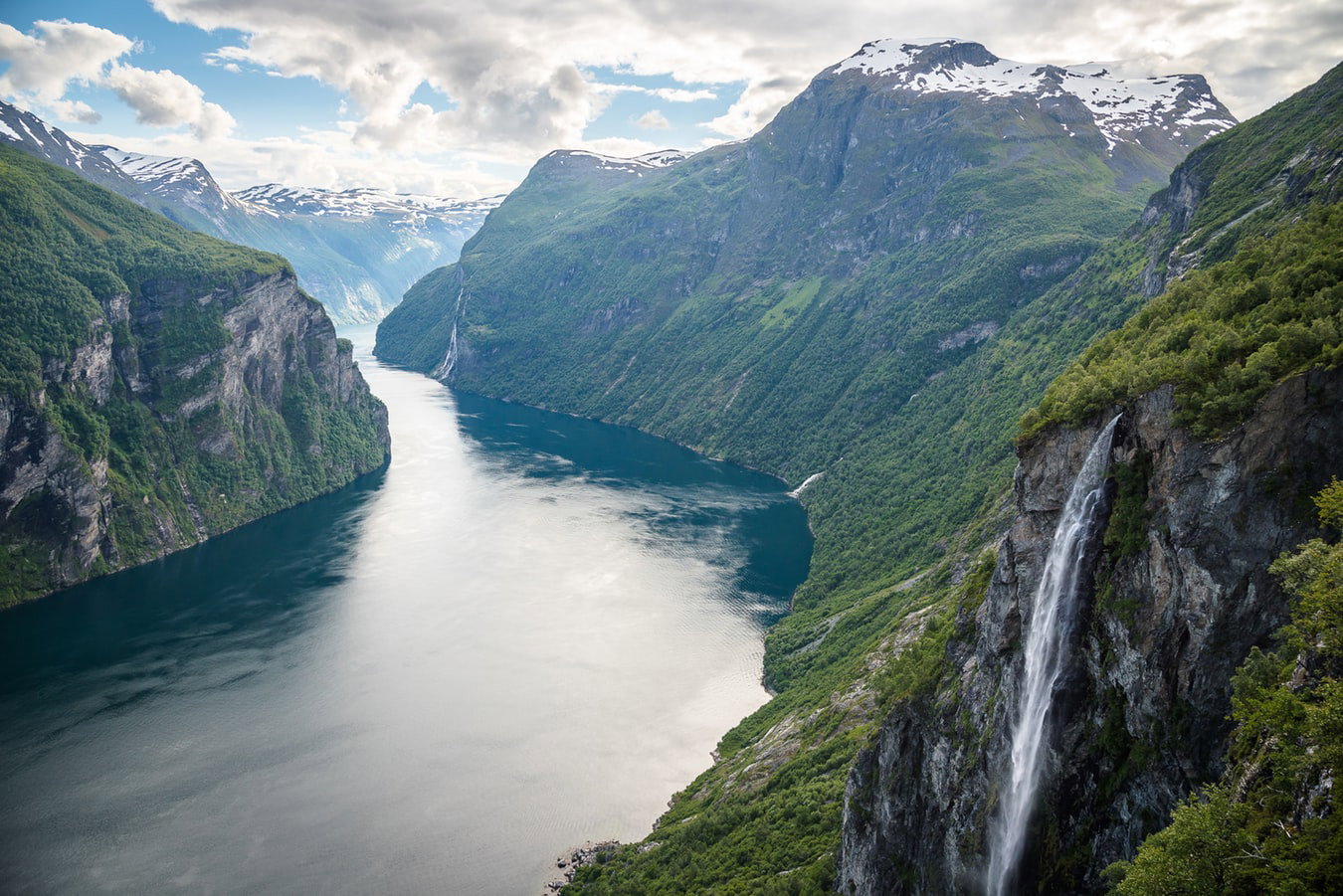
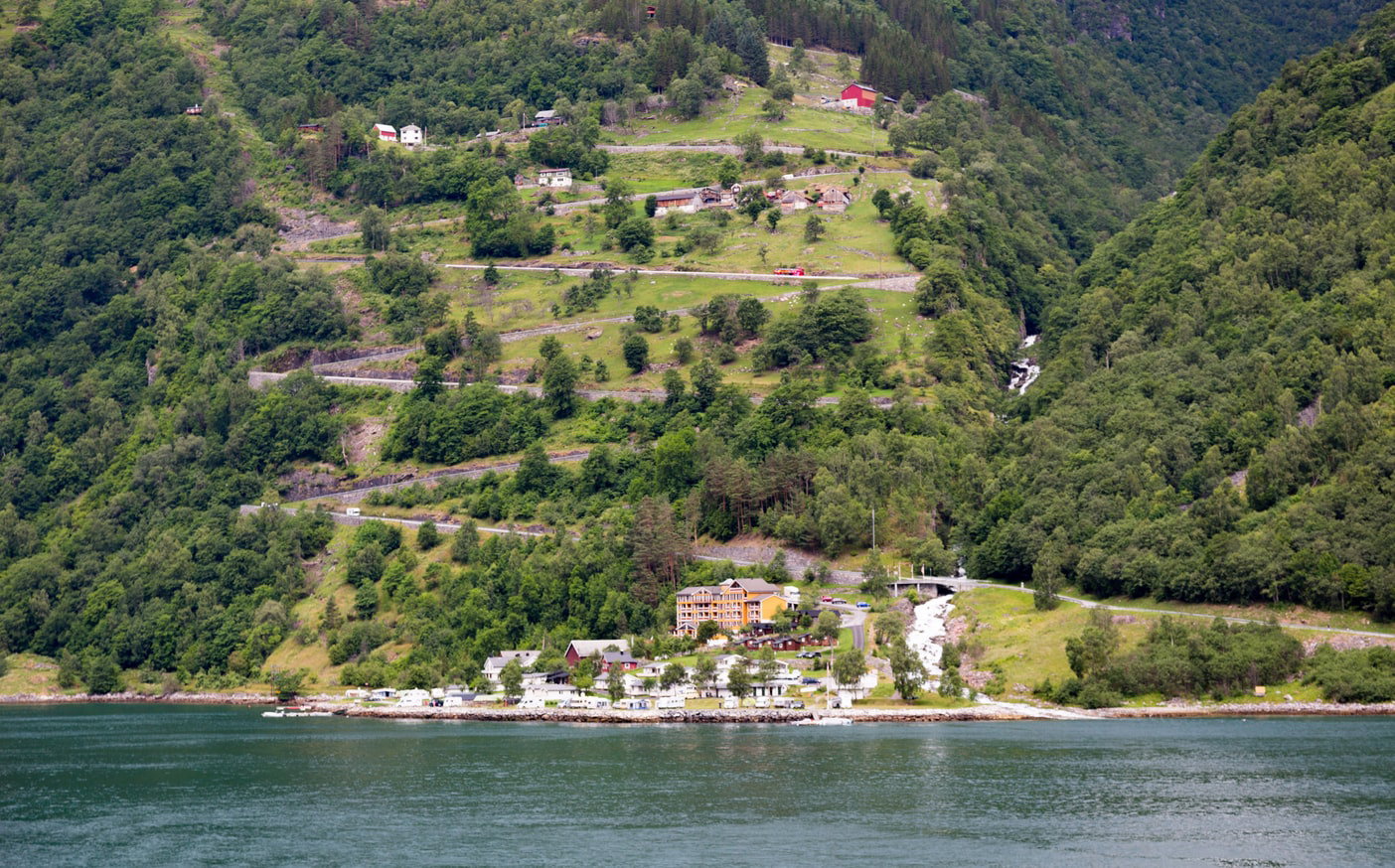
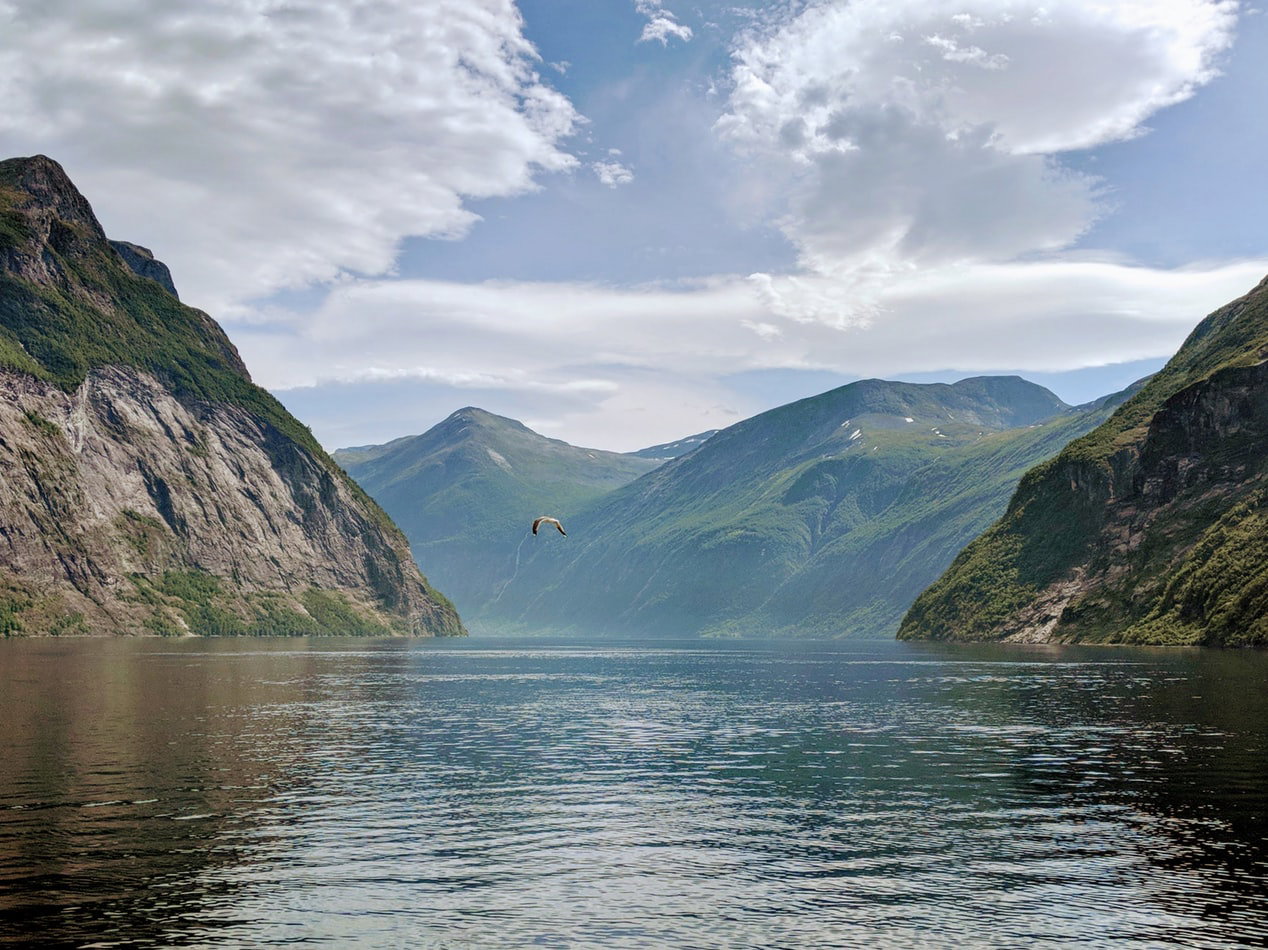
Geiranger Fjord, located in Norway, is a UNESCO World Heritage site recognized since 2005 for its spectacular natural beauty. This 16-kilometer-long fjord is famous for its roaring waterfalls, including the Seven Sisters, Bridal Veil, and Suitor, alongside historic deserted farms perched on its mountain ledges.
Quick take for travelers
Geiranger Fjord, a UNESCO World Heritage site since 2005, offers cruisers a chance to experience Norway's dramatic natural beauty. Known for its spectacular waterfalls like the Seven Sisters and Bridal Veil, and historic deserted farms clinging to mountain ledges, it's a destination that truly immerses you in the grandeur of the Norwegian landscape. The charming village of Geiranger, nestled at the fjord's end, serves as a welcoming hub, especially vibrant during the spring and summer months when its population swells with visitors eager to explore.
What Makes Geiranger Fjord a UNESCO World Heritage Gem?
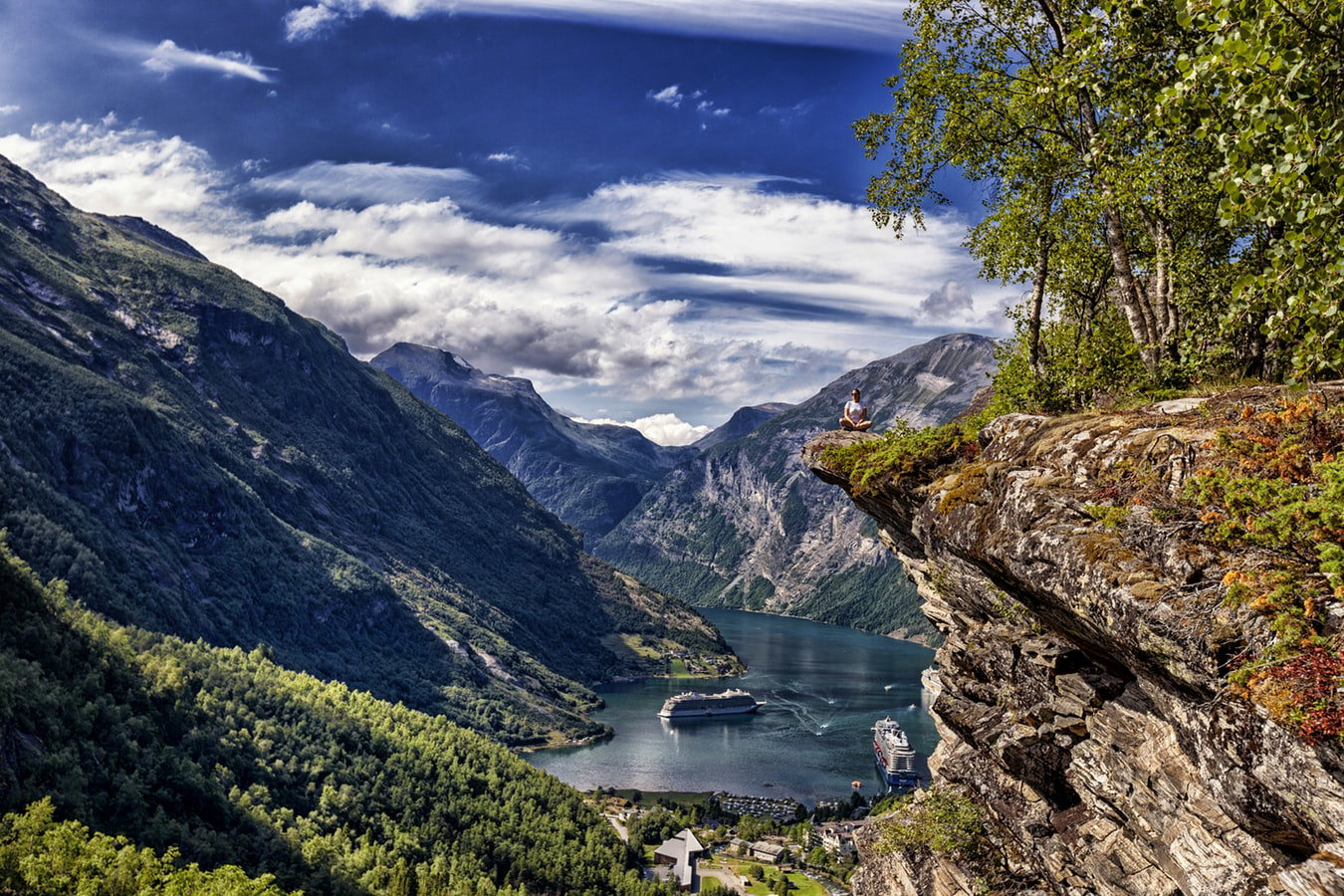
Geiranger Fjord stands out as Norway's most spectacular and widely recognized fjord, earning its place on the UNESCO World Heritage List in 2005. This 16-kilometer-long (10-mile-long) and 960-foot-deep natural wonder is defined by its dramatic landscapes and pristine beauty. Cruisers are often captivated by its roaring waterfalls, such as the iconic Seven Sisters, the delicate Bridal Veil, and the powerful Suitor. Adding to its unique charm are deserted farms like Skageflå and Knivsflå, precariously perched on mountain ledges, which local enthusiasts are diligently restoring and maintaining, preserving a piece of the fjord's rich history.
Exploring the Fjord's Natural Wonders and Village Life
A visit to Geiranger Fjord offers a blend of natural spectacle and quaint village charm. The primary draw is undoubtedly the fjord itself, best experienced by cruising past its famous waterfalls—the Seven Sisters, Bridal Veil, and Suitor—which cascade dramatically into the deep waters. While ashore, the village of Geiranger, situated at the fjord's end, provides a walkable base. Although home to fewer than 300 year-round residents, its population expands significantly to 5,000 during the spring and summer. This seasonal influx creates a lively atmosphere for visitors arriving from places like Hellesylt, offering opportunities to explore local offerings.
Who Geiranger Fjord Suits Best
Geiranger Fjord is an ideal destination for travelers who appreciate dramatic natural landscapes, stunning photography opportunities, and a touch of cultural history. Those drawn to majestic waterfalls and serene fjord scenery will find themselves deeply immersed in its beauty. The efforts to restore and maintain the deserted mountain farms at Skageflå and Knivsflå also appeal to visitors interested in local heritage and the resilience of human settlement in challenging environments. Given its popularity and the seasonal population surge, it caters well to a broad audience, from adventurous explorers to those seeking peaceful scenic cruises.
Best Time to Visit and Practical Considerations
The most favorable time to visit Geiranger Fjord is during the spring and summer months. This period sees the village of Geiranger's population swell with visitors, creating a vibrant atmosphere. Crucially, the warmer months ensure that the mountain roads leading to and from the village are typically clear, allowing for easier access and exploration. In contrast, winter brings heavy snow to the mountain roads, often isolating the village and making travel challenging. While the available information do not specify tendering versus alongside docking, planning your visit for spring or summer will maximize your experience of this UNESCO site.
Geiranger Fjord Compared to Other Norwegian Destinations
While Norway boasts many magnificent fjords, Geiranger Fjord holds a special distinction as a UNESCO World Heritage site, setting it apart. Its specific combination of the 16-kilometer length, 960-foot depth, and the iconic waterfalls like the Seven Sisters and Bridal Veil provides a unique and memorable experience. Nearby Norwegian ports and fjords, such as Leirvik, Nærøyfjord, Flåm, Romsdalsfjord, Hardangerfjord, Ålesund, Åndalsnes, and Eidsdal, each offer their own charm. However, Geiranger's renowned status and distinct natural features ensure it remains a highlight for many cruise itineraries, with various lines like MSC Cruises, Viking Ocean Cruises, and Celebrity visiting.
Frequently asked questions
When is the best time to visit Geiranger Fjord by cruise?+
The ideal time to visit Geiranger Fjord is during the spring and summer months. During this period, the village of Geiranger is bustling with visitors, and the mountain roads are typically clear of snow, ensuring better accessibility and a more vibrant experience.
What are the most famous natural attractions in Geiranger Fjord?+
Geiranger Fjord is renowned for its spectacular waterfalls, notably the Seven Sisters, the Bridal Veil, and the Suitor. Additionally, visitors can observe historic deserted farms like Skageflå and Knivsflå, which are being restored on the fjord's mountain ledges.
Is Geiranger Fjord a UNESCO World Heritage site?+
Yes, Geiranger Fjord was officially inscribed on the UNESCO World Heritage List in 2005. It is recognized for its exceptional natural beauty, making it one of Norway's most spectacular and well-known fjords.
Gallery
Human-verified data
Full Cabin's concierge team reviews these guides regularly. We cross-reference operator schedules, recent passenger feedback, and live inventory so the cruises we suggest actually match what you'll experience on board.