The short answer
What historical attractions can I explore in Cartagena, Spain?
Cartagena, Spain, is known as a historic Mediterranean naval port, offering cruisers a chance to explore its ancient past, including a well-preserved Roman Theatre and fortifications from King Philip II's era. Its sheltered bay has been a significant site for centuries, from its founding as Cartago Nova to its continuous role as a main Spanish naval base.
Quick take for travelers
Cartagena, Spain, offers a rich historical experience for cruise visitors. This Mediterranean naval port, with roots stretching back to 223 BC as Cartago Nova, invites exploration of its ancient past. From a remarkably preserved Roman Theatre to fortifications built during King Philip II's reign, the city's heritage is easily accessible. You can also enjoy a scenic mini-cruise around its historic, sheltered harbor, providing a unique perspective on this strategically important Spanish city.
Exploring Cartagena's Rich History from the Port
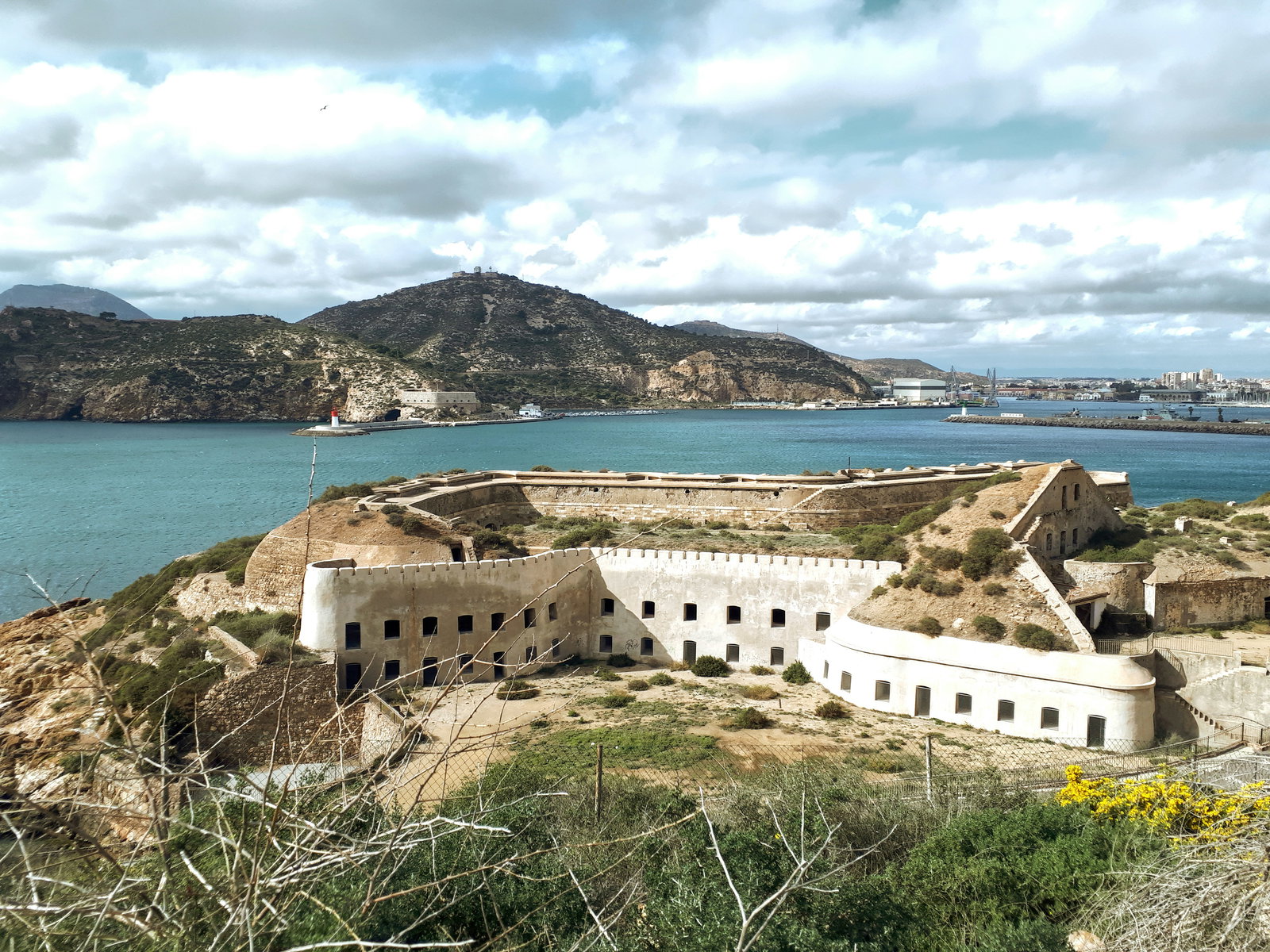
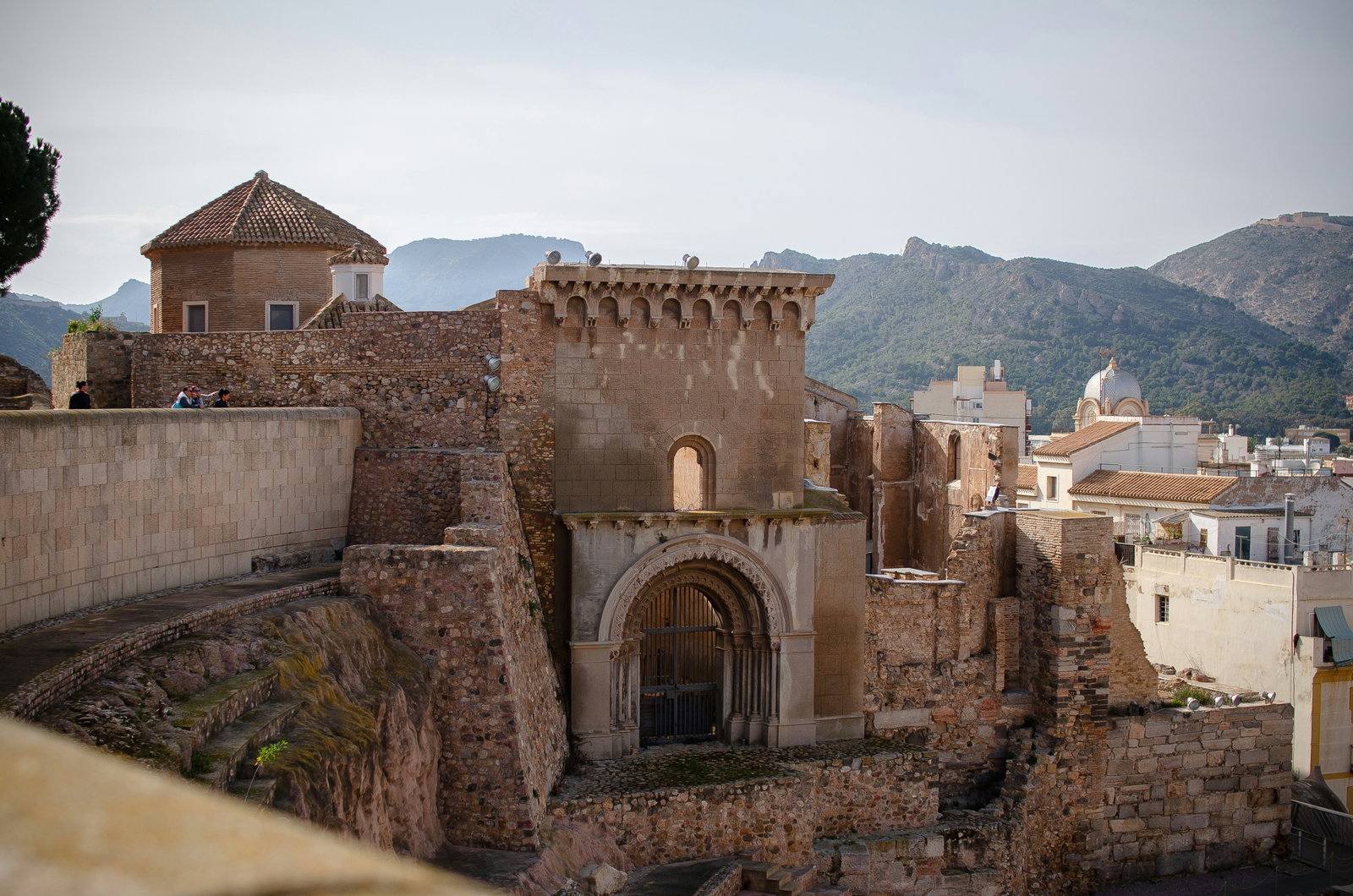
Cartagena, a city in the Region of Murcia, Spain, offers a deep dive into Mediterranean history right from its port. Founded as Cartago Nova in 223 BC by the Carthaginians, it later flourished as a Roman colony and a Byzantine trading center. A highlight is the well-preserved Roman Theatre, discovered in 1988, which has since been restored and opened to the public. The city's strategic importance as a naval station is evident in the walls built during King Philip II's reign and the 18th-century Navidad Fortress, constructed to protect its sheltered harbor. Cruisers can also enjoy a 40-minute mini-cruise around the historic harbor, operating several times daily without advance booking, with details available at the port.
A Walkable Journey Through Time
The compact nature of Cartagena makes many of its historical treasures easily accessible on foot from the cruise pier. As you step ashore, you're immediately immersed in a city whose importance grew significantly with the Spanish Bourbons in the 18th century. The city's past as a main Spanish Mediterranean naval base is palpable, with fortifications still surrounding it. Visitors can explore the Roman Theatre and other ancient sites, experiencing the layers of Carthaginian, Roman, and Byzantine history that shaped this unique destination. The convenient mini-cruises offer another perspective of the harbor's historical significance, allowing for a relaxed exploration of the port city.
Who Cartagena Suits Best
Cartagena is an ideal port for travelers with a keen interest in ancient history, archaeology, and maritime heritage. Those who appreciate exploring historical sites at a relaxed pace will find its walkable attractions particularly appealing. The city's deep roots, from its Carthaginian founding to its role as a Roman colony and a vital naval base, provide a rich educational experience. Passengers from cruise lines such as Viking Ocean Cruises, Silversea, and Regent Seven Seas Cruises frequently visit, often seeking destinations that offer cultural immersion and historical depth. The availability of short harbor cruises also appeals to those looking for a scenic and informative overview without extensive travel.
Practicalities for Your Visit
While the available information do not specify tendering versus alongside docking, Cartagena's status as a main Spanish Mediterranean naval base and its sheltered bay suggest a robust port infrastructure. It's advisable to check with your cruise line for specific docking information. Mini-cruises around the historic harbor are a convenient way to see the bay; they run multiple times a day and do not require advance booking, with full details available directly at the port. Given its Mediterranean climate, the shoulder seasons (spring and autumn) often offer pleasant weather for exploring the city's outdoor historical sites, avoiding the peak heat of summer and providing comfortable conditions for walking.
Comparing Cartagena to Nearby Ports
Cartagena offers a distinct historical experience compared to some nearby Spanish ports like Almería or Valencia. While Valencia is known for its City of Arts and Sciences and Almería for its Alcazaba, Cartagena's identity is deeply rooted in its ancient Carthaginian and Roman origins, highlighted by its remarkably preserved Roman Theatre. Its continuous role as a significant naval station since King Philip II's reign also gives it a unique military and maritime heritage. Other nearby Spanish destinations include Morro Blau, Ubeda, Murcia, and L'Albir. Cartagena provides a focused journey into a specific, layered past, appealing to those who prioritize archaeological discovery and naval history.
Frequently asked questions
What is the main historical highlight in Cartagena?+
The main historical highlight in Cartagena is the well-preserved Roman Theatre. Discovered in 1988, it has undergone restoration and is now open to the public, offering a direct link to the city's past as a prosperous Roman colony.
Can I take a boat tour of Cartagena's harbor?+
Yes, mini-cruises around Cartagena's historic harbor are available. These tours typically last about 40 minutes, operate several times a day, and do not require advance booking. Details can be found at the port.
What is Cartagena's historical significance?+
Cartagena has a rich history, founded in 223 BC as Cartago Nova by the Carthaginians. It became a prosperous Roman colony and later a Byzantine trading center. Since King Philip II's reign, it has been the main Spanish Mediterranean naval base, with its harbor protected by fortifications like the Navidad Fortress.
Gallery
Human-verified data
Full Cabin's concierge team reviews these guides regularly. We cross-reference operator schedules, recent passenger feedback, and live inventory so the cruises we suggest actually match what you'll experience on board.